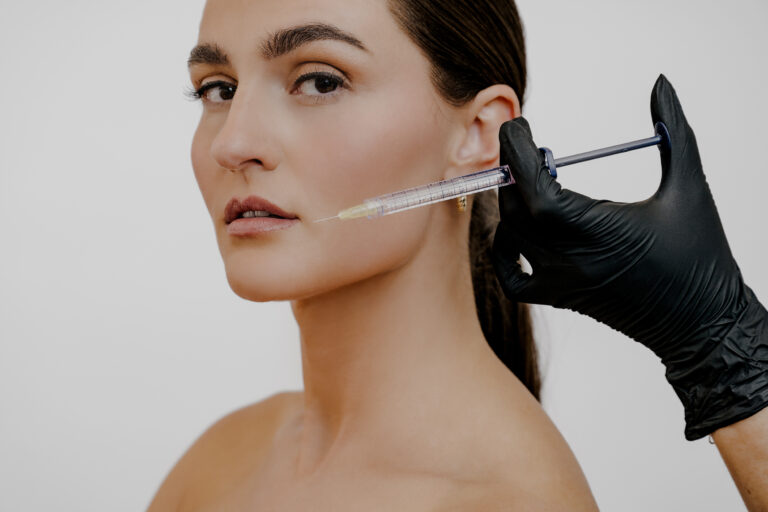

A Guide for Botox Dos and Don’ts
Botox provides medical relief for some patients. People use injectables for various reasons, and they seek reliable information. When you prepare for your visit, you must follow specific rules. The process requires careful attention and medical supervision.
Preparations for Injectables
Doctors review your medical history first. You should disclose all medications, but you must avoid specific blood thinners. If you take medication, consult your provider beforehand. Mention any allergies, previous reactions to injectables, and chronic health issues to your provider. Bring a list of your medications, as some may interfere with Botox healing or the treatment. Inform your provider of any neurological or muscular disorders, for these affect procedure safety and strategy. Hydration supports your overall health. You should drink water, and you must avoid alcohol before appointments. If unsure about medications or supplements, bring the packaging so your provider can review them. Skin care matters before your appointment. You should clean your face and remove all makeup. If you develop a skin condition or infection, notify your provider. Consultations set the correct expectations.
Solutions for Conditions
Providers can inject Botox for neck spasms, and they use it for excessive sweating. Botox targets various medical issues. Chronic migraines disrupt routines, so patients get injections to reduce headache frequency. Candidates for treatment often have conditions that have not responded to other therapies. The procedure is customizable; your provider determines where to inject and how much. The medication balances the eye muscles and stops unwanted twitching. Although it treats bladder problems, doctors must evaluate your symptoms, and they decide the exact dosage. A thorough assessment of your symptoms, health history, and medication responses helps providers create an individual treatment plan. During the procedure, the provider uses different techniques based on the treatment area and symptom severity. Providers administer the medication, and they track your progress over time. Consistency with appointments can help you maintain benefits and manage recurring symptoms.
Guidelines for Aftercare
Patients need proper rest after injections. You must avoid strenuous exercise and stay upright. Since the medication needs time to work, you must not rub the area. Wait at least four hours before lying down, and avoid touching your face unnecessarily. Sleeping on your back for the first night can help minimize pressure on treated areas. Aftercare aids proper physical recovery.
If you notice any unusual symptoms, contact your clinic so the staff can assist you immediately. Providers monitor your healing process, and they schedule follow-up visits. Follow your provider’s recommendations for minor discomfort, such as gentle cold compresses to reduce swelling. Avoid creams or makeup on the treated area. Sun exposure requires careful management. You must avoid direct heat, and you should wear sunscreen outdoors. UV rays damage skin, so you need protection for the treated area. Avoid tanning beds, hot tubs, and saunas after your procedure. Patience remains necessary during recovery.
Book Botox Today
Proper knowledge improves your treatment experience. You must understand the process, and ask questions. Because medical guidance is necessary, schedule an appointment. Your health remains the top priority. You must follow the instructions, and report any changes. If you need more information, call the office, and the team will help.
- When a Mobile App Should Take Over the Screen: Full-Screen Overlay UX Practices for 2026
- Before You Fall In Love With A South Florida Waterfront Home: A 2026 Buyer’s Due-Diligence Checklist
- Selling Your House in Franklin, New Hampshire: A Comprehensive 2026 Guide
- How to Reduce Stress When Selling Your Home: A Practical Guide
- Top 5 Water Treatment Companies in Delaware for 2026