
Treatments for Severe Bunion Cases
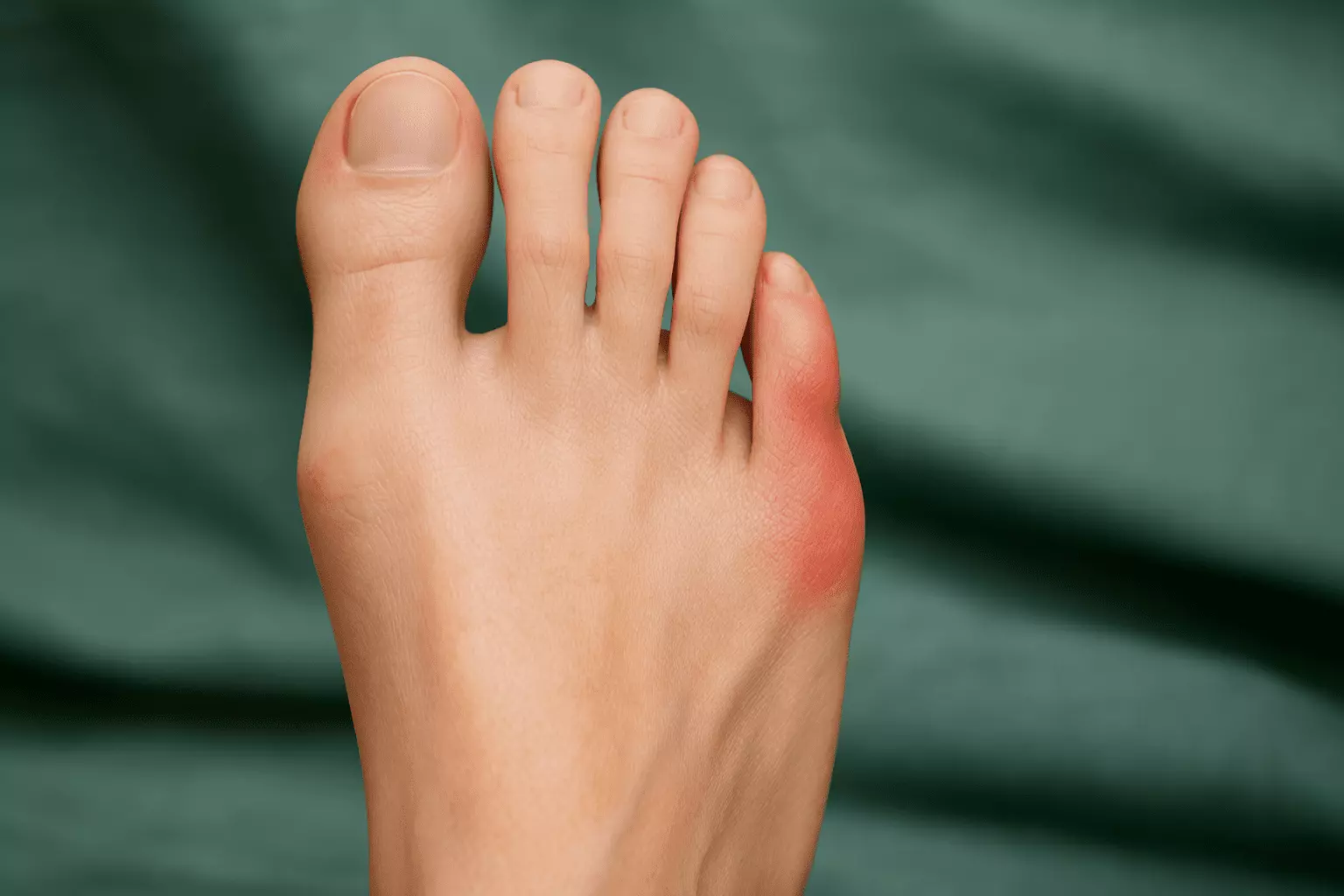
A bunion is a structural deformity characterized by a prominent bony bump that forms on the joint at the base of the big toe. It occurs when the bones in the front part of the foot shift out of place over time. This internal shifting pulls the tip of the big toe toward the smaller toes. As a result, the shifting causes the joint at the base of the big toe to stick out. Mild bunions may only cause slight, occasional discomfort, but severe cases often require advanced treatments to restore proper alignment and daily function.
Common Causes of Bunion Formation
Experts have not yet defined the exact cause of bunions, but several factors contribute to their development over time. Bunions typically develop from prolonged, uneven pressure on the toe joints. Wearing tight, narrow, or high-heeled shoes can crowd the toes, forcing the big toe out of its natural alignment.
Foot structure and inherited foot mechanics also play a major role in how the foot handles weight. Individuals with flat feet or low arches sometimes experience uneven weight distribution across the foot while walking or standing. This imbalance adds stress to the metatarsophalangeal (MTP) joint. Over many years of bearing weight, the joint capsule stretches and thickens, and this process eventually creates the visible, hard bump on the side of the foot.
Conservative Treatement of Bunions
When managing bunion symptoms, physicians often begin with non-surgical, supportive approaches. Conservative treatments do not eliminate the structural deformity, but they can relieve pressure and reduce daily discomfort. These methods focus on modifying the environment around your foot to prevent further irritation.
Standard conservative options include:
- Footwear modifications: Switching to shoes with a wide, deep toe box provides more physical space for the joint and prevents friction.
- Padding and taping: Over-the-counter bunion pads act as a soft buffer between the inside of the shoe and the prominent bone.
- Orthotic devices: Custom or over-the-counter shoe inserts help distribute pressure evenly across the foot when you walk or run.
- Ice therapy: Applying ice packs to the affected joint can help manage temporary swelling after a long day of standing or physical activity.
These supportive measures aim to keep you comfortable during daily activities and manage the immediate physical stress on the joint.
Minimally Invasive Surgery
When conservative methods no longer manage the discomfort of a severe bunion, advanced procedures are offered. Traditional surgery requires a large incision, but minimally invasive techniques use small openings to access the bone. The surgeon uses specialized instruments to carefully cut and realign the affected bone.
Because the incisions are much smaller, this approach generally involves less disruption of soft tissue around the joint. The surgeon guides the procedure using continuous X-ray imaging, confirming precise correction of the joint alignment without fully exposing the bone. After realigning the toe, tiny screws or pins are inserted to hold the joint in its new, proper position. Patients are often then fitted with a specialized walking boot to protect the foot. Recovery timelines vary depending on individual factors, but the goal of this procedure is to restore the foot’s natural anatomy and improve mobility.
Ask About Bunions Today
If you have noticed a progressive change in the shape of your foot, seek professional evaluation. A foot and ankle specialist can thoroughly assess the severity of your condition, and they are able to outline the most appropriate management options. Ask your doctor any questions about your specific symptoms, the progression of the deformity, or the available treatment strategies.
- How To Choose Between Rural Space And Suburban Convenience When Buying A Parker County, Texas Home
- When a Mobile App Should Take Over the Screen: Full-Screen Overlay UX Practices for 2026
- Before You Fall In Love With A South Florida Waterfront Home: A 2026 Buyer’s Due-Diligence Checklist
- Selling Your House in Franklin, New Hampshire: A Comprehensive 2026 Guide
- How to Reduce Stress When Selling Your Home: A Practical Guide